|
CK Therapy : Psychoeducation
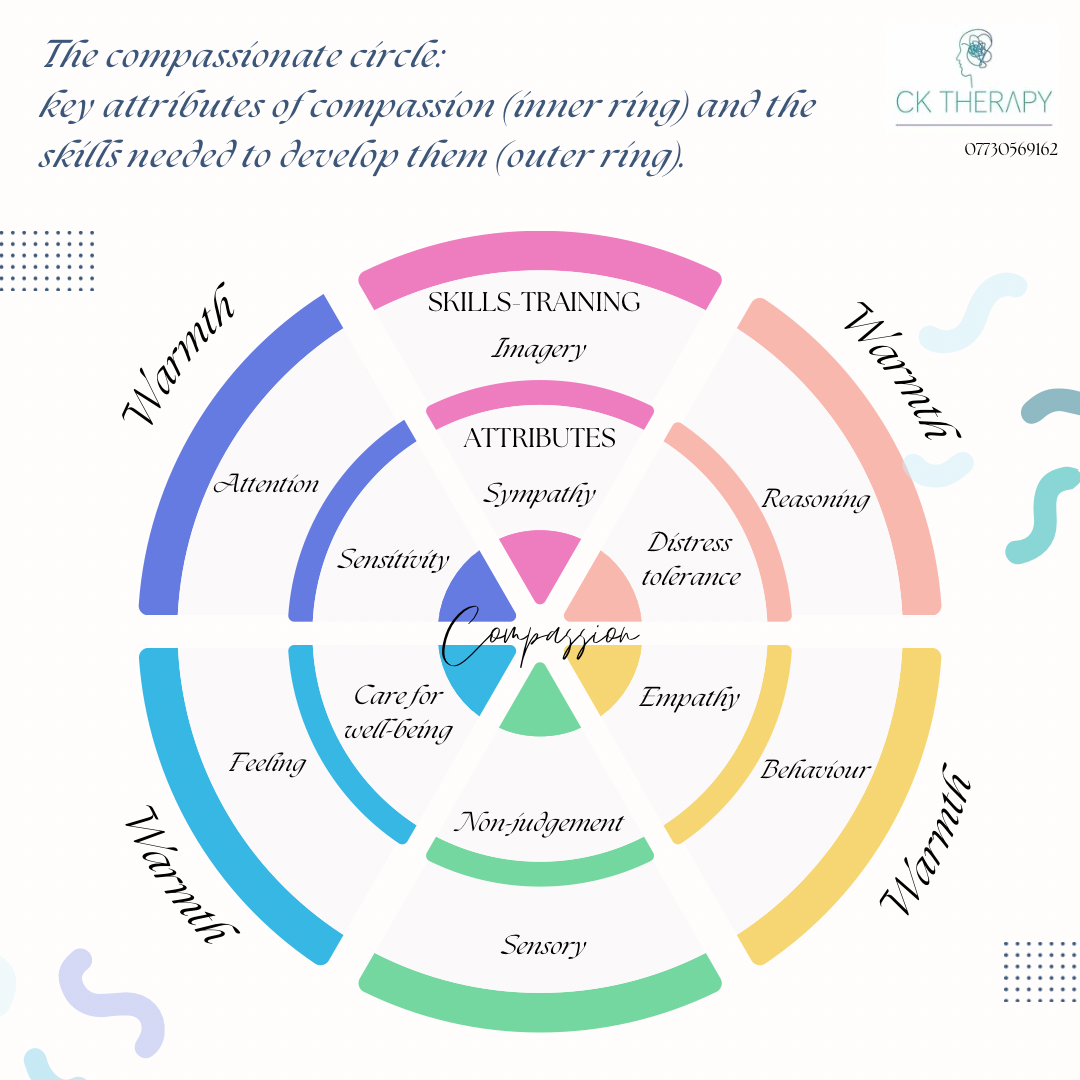
So often, when we try to understand our trauma or threat response through biological terminology alone, the information can feel overwhelming or difficult to absorb. To make this easier, we’ve created a visual way of understanding what happens inside us when our brain senses danger, inspired by Deborah Lee’s examples in the Compassionate Mind Approach to Trauma. In this model, we imagine three parts of an inner team working to keep us safe: The Sergeant This part reacts fast, scanning for threat, sounding the alarm, and getting us ready to survive. It jumps into action automatically, long before we’ve had time to think. The Administrator This part steps in to organise, plan, problem-solve and keep everything functioning. It tries to manage the chaos the Sergeant alerts us to. The Compassionate Person This part soothes, regulates and helps us feel grounded again. It brings kindness, perspective and calm, which trauma can make difficult to access. When we’ve lived through frightening or overwhelming experiences, our body can stay on alert even long after the danger has passed. That’s because the brain’s threat system is designed to protect us first, not to evaluate whether the danger is still present. Understanding these three inner roles can help us make sense of why we react the way we do and how we can gently support ourselves toward safety, compassion and recovery. If you’d like to explore ; - Psychoeducation sessions - developing your own compassionate skills -trauma informed therapy including EMDR get in touch with us today! Link in bio or visit www.ckpsychotherapy.co.uk #compassionatemind #psychotherapy #psychoeducation
0 Comments
CK Therapy - grounding moments
When anxiety shows up, our bodies often speak before our minds do. One of the first places tension hides is in the shoulders, creeping up toward the ears, rounding forward, making everything feel just a little harder to carry. Here’s your reminder: Take a slow, deep breath in… Roll your shoulders up, back, and down… And gently tuck in your angel wings, letting your shoulder blades soften toward your spine. As you breathe, notice how your chest opens, your posture lifts, and your body finds a little more space. Why do anxious shoulders tense up? When you’re anxious, your nervous system shifts into protection mode. Your muscles, especially in the neck and shoulders tighten instinctively, as if bracing for something. Over time, this can lead to a rounded posture, a heavy chest, and the sense that you’re physically holding the world up with your shoulders. These tiny moments of release remind your body that it’s safe, grounded, and allowed to let go. Take a breath. Reset your posture. Your wings are allowed to rest. CKTherapy thoughtful reflections
“What are you adding to your anxiety?” #psychotherapy #ashbydelazouch #selfcompassion #compassionfocusedtherapy #personcentredcounselling #arttherapy #emdrtherapist #emdrtherapy #liecstershire CKTherapy Thoughtful reflections
“The weird thing is about bravery is that it can feel like fear at first” In therapy, we often talk about courage, but it rarely feels like a heroic moment. It doesn’t usually arrive with clarity or confidence. More often, it shows up as fear, self-doubt, or a quiet voice inside that says, “I can’t do this... but maybe I’ll try anyway.” As Brené Brown reminds us, vulnerability is not weakness. It’s the birthplace of courage, creativity, and connection. True bravery isn’t about being fearless it’s about being willing to show up afraid. It’s about sitting with the discomfort of uncertainty, choosing honesty over avoidance, and trusting that it’s safe enough to take one small step forward. In the therapy room, that bravery might look like saying something out loud for the first time. It might be letting yourself cry after years of holding it in. It might be staying present when every part of you wants to shut down. These moments don’t always feel strong. They often feel raw, messy, and exposed. But this is what real courage looks like. It’s choosing to keep going when there are no guarantees. It’s letting yourself be seen by another person, and by yourself. So if you’re taking steps toward healing, setting boundaries, or learning to trust again, remember that fear doesn’t mean you’re failing. It means you’re human. And it might just mean you’re being incredibly brave. You don’t have to feel fearless to be courageous. Often, bravery begins in the exact same place fear lives in the heart that decides to try anyway. #bravery #compasison #boundarysetting #fear #courage #powerofvulnerability #therapy #psychotherapy #emdr #brenebrown #therapyservice #arttherapy #personcentredpsychotherapy #compassionfocusedtherapy #ashbydelazouch Reframing Trauma
Trauma or difficult experiences can often leave us believing that we are the problem. This response is not a flaw, but an adaptive way the mind tries to make sense of pain. When safety, care, or protection were missing, turning the blame inward could feel safer than recognising just how unsafe or unsupported things truly were. In therapy, we understand that these beliefs often develop as a way to preserve a sense of control or connection in situations where neither felt possible. This is a natural response to overwhelming experiences, not evidence of being “broken.” Healing involves gently rewriting that story. Through therapy, we can begin to separate what happened to us from who we are. The responsibility lies with the circumstances that failed to offer safety, not with your identity. Reframing trauma allows us to build a more compassionate and truthful understanding of ourselves, grounded in safety, care, and self-worth. Get in touch to explore compassionate reframing www.ckpsychotherapy.co.uk #psychotherapy #compassionfocusedtherapy #compassionatereframe #reframing #emdr #traumatherapy #traumainformedcare #threatresponses #ashbydelazouch #cktherapy #liecestershire #therapy #onlinetherapy Ck therapy ; thoughtful reflections
Sometimes we find ourselves doing the same thing over and over, hoping this time it’ll be different. We press the same “button,” whether that’s people-pleasing, avoiding, overthinking, or trying to control what feels uncertain, and we wonder why things don’t change. It’s a bit like pressing the power button on a TV remote that won’t turn on. We press it once... nothing. We press it again... still nothing. At some point, we pause and think maybe it’s not the button. Maybe the batteries need changing. Maybe something inside needs a reset. In our own lives, it’s the same. When something isn’t working, whether it’s a relationship pattern, a coping mechanism, or the way we talk to ourselves, pressing harder won’t fix it. Sometimes we need to step back, get curious, and gently look underneath: What’s really happening here? What’s stuck, or what needs recharging? Awareness is the first step toward change, not force but reflection. Because growth doesn’t come from pressing the same button harder; it comes from daring to try something new. If this resonates, maybe it’s time to look at which “buttons” you’ve been pressing lately and what might need recharging instead. Get in touch to explore; www.ckpsychotherapy.co.uk #repetitioncompulsion #breakingpatterns #psychoeducation #psychotherapy #emdr #arttherapy #therapistreflections #ashbydelazouch #liecestershire #therapistsofinstagram Ck therapy : New service !
Psychoeducation sessions with our compassionate partner Meghan. Psychoeducation for Parents Understanding Trauma. Supporting Healing. Strengthening Your Connection. When a child has experienced trauma — whether through a single event or ongoing stress — the impact can be profound and often confusing for parents and caregivers. You may see emotional outbursts, withdrawal, anxiety, or changes in behaviour, and wonder how to help. Psychoeducation Sessions are designed to give you clear, supportive guidance on how trauma affects your child’s brain, body, and behaviour — and how you can play a vital role in their healing. These sessions are not therapy for parents — they are a space for learning, reflection, and support. You’ll gain insight into what trauma looks like in children and teens, why certain behaviours may be happening, and what helps (and what doesn’t) when it comes to supporting recovery. What You’ll Learn: • How trauma affects the developing brain and nervous system • Common trauma responses in children and adolescents • Why traditional discipline often doesn’t work after trauma — and what to try instead • How to create safety, co-regulation, and emotional connection at home • Tools to manage your own emotional responses and caregiver stress • Coping strategies such as grounding, physical, and sensory coping. These sessions are designed to equip you with knowledge and tools that can make a meaningful difference in your child’s life. Who These Sessions Are For: • Parents/caregivers of children or teens who have experienced trauma • Families navigating adoption, foster care, or early attachment disruptions • Caregivers seeking to better understand trauma-related behaviours • Parents who want to feel more confident, calm, and connected in their role If you’d like to learn more / book a session with Meghan visit ; https://www.ckpsychotherapy.co.uk/psychoeducation.html Sessions are held with Meghan a Highly trained psychotherapist and EMDR practitioner. #psychoeducation #psychotherapy #support #signposting #services #newservice #mentalhealththerapist #ashbydelazouch #onlinetherapy #artpsychotherapist #liecstershire Ck Therapy : Thoughtful reflections
Making the Most of Therapy Therapy is not something that is done to us. It is something we actively take part in. These five reflections are inspired by the work of Carolyn Spring, whose writing beautifully captures what it means to engage fully in the healing process. Swipe through for gentle reminders to help you get the most from your sessions: 1. Arrive with focus 2. Speak truthfully 3. Keep the work alive between sessions 4. Be curious and ask 5. Stay the course Therapy takes courage, consistency, and compassion, not perfection. Every time you show up honestly, you are building the foundations for real and lasting change. #emdr #arttherapy #psychotherapy #traumainformedcare #therapyjourney #healingprocess #mentalhealth #traumarecovery #emdrtherapist #selfgrowth #compassionfocusedtherapy #ashbydelazouch #liecestershire CKTherapy : Resources and Recommendations.
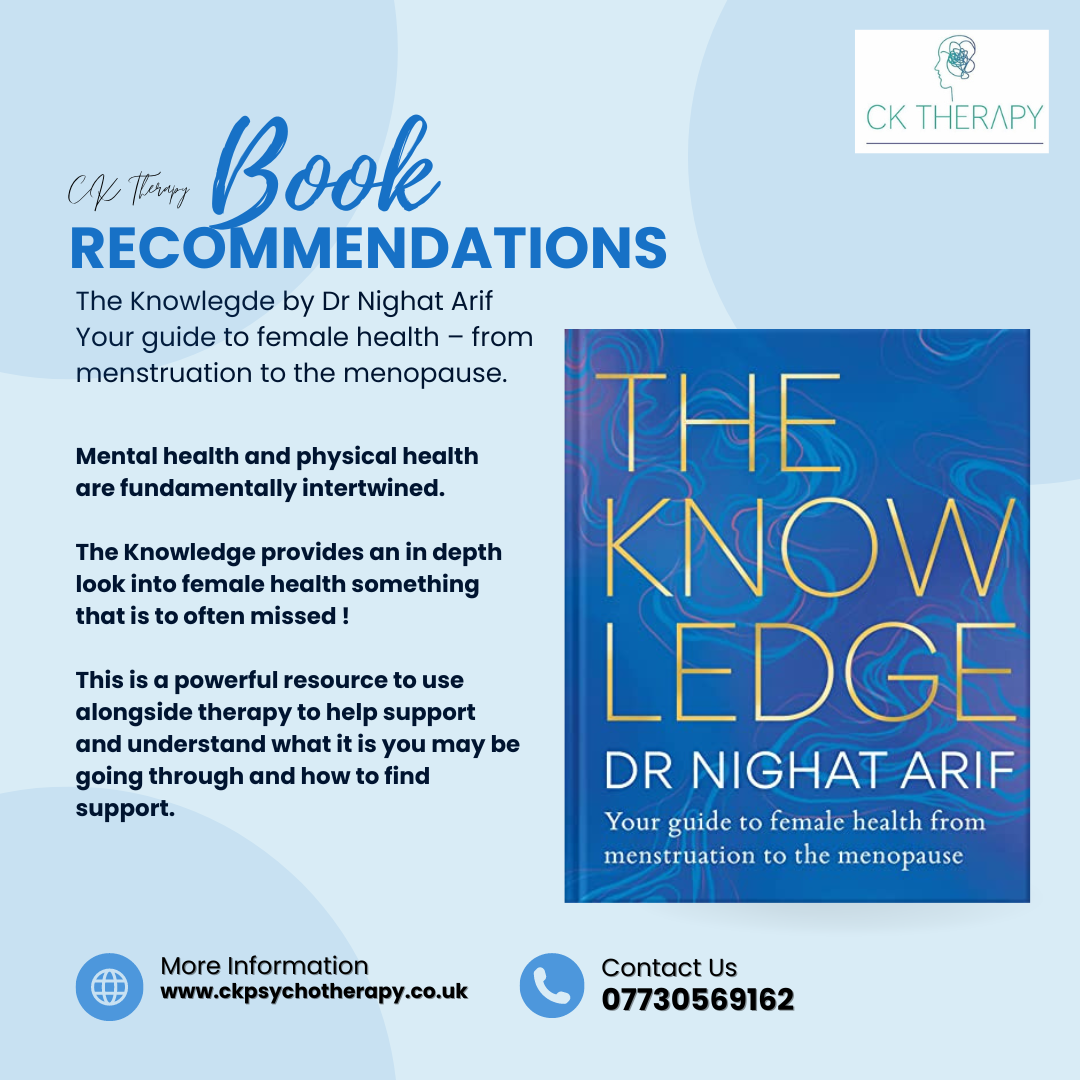
Book recommendation. The compassionate mind approach to recovering from trauma by Deborah Lee with Sophie James is practice manager Catherine’s number one book recommendation for clients. Why? 1. Bridges trauma and compassion 2.Complements her EMDR work 3. Practical , accessible and skill orientated 4. Supports a shift in internal relationships 5. Encourages ongoing growth. Swipe through to read more For more recommended resources visit our resource page for more; https://www.ckpsychotherapy.co.uk/resources.html #notanad #compassionatemind #emdr #traumatherapy #therapist #psychotherapy #arttherapy #therapistsofinstagram #compassionfocusedtherapy #ashbydelazouch #leicestershire #bookrecommendations #therapistbookshelf CK Therapy : NEW SERVICE !
CHILDREN’S ACCELERATED TRAUMA TECHNIQUE (CATT) THERAPY Helping children heal from trauma with care, safety, and proven techniques. Children’s Accelerated Trauma Technique (CATT) is a gentle, structured, and evidence-based therapy designed specifically to help children and young people recover from traumatic experiences. Whether your child has experienced a single upsetting event or ongoing complex trauma, CATT provides a safe and effective way to process what has happened. CATT focuses on helping children make sense of their experiences through age-appropriate storytelling, guided imagery, and cognitive techniques that support emotional regulation. It empowers children to take back control of their story in a safe, contained environment, while also building resilience and coping skills. This therapy is typically short-term and structured over several sessions, making it a practical and accessible option for families seeking focused trauma treatment. CATT is suitable for children and adolescents (typically ages 4–18) and can be adapted to meet developmental needs. CATT is delivered by Compassionate Partner Meghan: Meghan is an experienced and highly qualified therapist with years of experience working with children, young people, and adults. Meghan specialises in working with people who have experienced trauma, PTSD, domestic abuse, sexual abuse, loss, self-harm, suicidal ideation, depression and anxiety. Meghan believes that empathy, understanding, and a safe space are key to the therapeutic journey. Having a safe environment to express, communicate, and reflect on their experiences, thoughts, and feelings, Meghan offers clients the space to be listened to and understood. If you’d like to book a session, learn more about CATT, explore working with Meghan or discover the range of services at CKTherapy we’d love to hear from you. Reach out today or visit our website for more details. #ashbydelazouch #CAAT #CATTTherpay #Traumatherapy #Traumainformed #Psychotherapy #EXPERIENCEDPROFESSIONALS #Childrenstraumatreatment |
Catherine KnivetonArt Psychotherapist, Archives
December 2025
|